


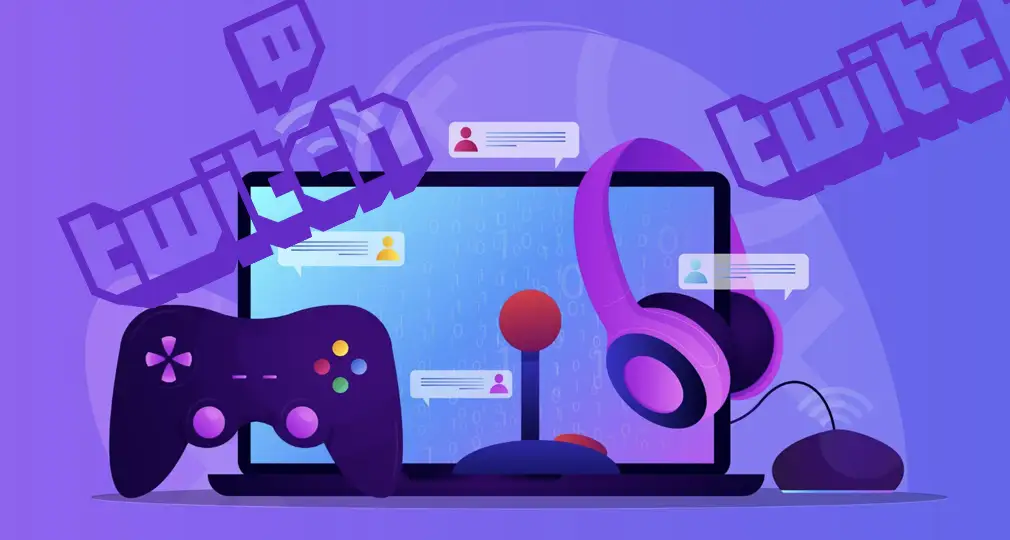
Twitch remains one of the world’s largest live-streaming platforms and a powerful revenue source for brands and creators. While the platform is still strongly associated with gaming and esports, its content landscape has significantly expanded in recent years. Today, Twitch hosts cooking shows, fitness sessions, DIY workshops, fashion making, lifestyle streams, and more — turning the platform into a broad entertainment ecosystem.
This diversity attracts brands that aim to grow and engage their audience. Live video continues to dominate brand priorities, and Twitch’s viewership remains extremely strong. By 2025, the platform maintains tens of millions of active users across North America and Europe, with the majority being young adults. Around 70% of viewers are under 35, and nearly half fall within the 16–24 demographic — making Twitch a top location for reaching Gen Z and young Millennials.
Because Twitch marketing is still evolving, brands continue to experiment with unconventional formats. Gaming tournaments and esports events remain among the most effective tools. Many brands maintain their presence through signature championships, seasonal events, or branded streams. For example, major fast-food chains and tech companies regularly participate in popular titles such as Fortnite, Minecraft, Apex Legends, and emerging 2024–2025 hits like Helldivers 2 and Palworld. A viewer watches the game — and simultaneously sees product placements, brand mascots, or interactive ad elements.
Brands also host digital events or sponsor large online festivals streamed on Twitch — from music shows to award ceremonies, talk shows, dating programs, and cultural events. These broadcasts often mimic the structure of traditional television but with real-time chat engagement, giveaways, and influencer participation.
“How-to” streams and educational workshops have become increasingly valuable for marketers. Collaborations with influencers and streamers also remain key. Many brands that do not wish to manage their own Twitch channels use sponsored streams to reach viewers. They often conduct demographic and behavioral research to identify channels whose audiences best match their brand image and target market.
In addition, Twitch has its own integrated advertising system that displays video ads on channels regardless of whether viewers are following them. Streamers often combine these native ads with sponsorships, branded overlays, interactive alerts, and event integrations.
One of the most iconic marketing breakthroughs in Twitch history still remains Ninja’s Fortnite stream with rapper Drake — a broadcast that broke all viewership records and proved the massive potential of influencer collaborations. Even in 2025, this moment continues to be referenced in marketing case studies and streaming industry discussions.
In esports marketing, brands frequently use a combination of tools: tournament branding, in-stream video ads, custom overlays, and direct sponsorships of event organizers. Since standard banner ads are increasingly blocked by ad-blockers, companies prefer to integrate ads directly into broadcasts or partner with production studios that own official broadcasting rights. Twitch acts as a distribution gateway — a platform through which the esports industry connects with millions of viewers.
Streaming Rules on Twitch: A Complex System of Restrictions
Twitch regularly emphasizes that it promotes respect, inclusivity, and tolerance. As a result, the platform maintains one of the strictest rulebooks among major streaming platforms.
The first and most fundamental rule concerns hate speech and discrimination of any kind. Twitch prohibits any content that promotes, supports, or normalizes discrimination, humiliation, objectification, aggression, or violence based on race, ethnicity, nationality, religion, gender, gender identity, sexual orientation, age, disability, health condition, or appearance. Importantly, these rules apply to behavior both on and off the platform.
This is also the most common reason for disciplinary action against streamers from Eastern Europe and the CIS region. Because the rules are broad and open to interpretation, many borderline phrases or jokes may be deemed offensive, depending on viewer reports. As a result, even seemingly minor incidents can lead to suspensions.
These rules also apply to the streamer’s audience. A channel may be punished for viewer messages, sound alerts, chat behavior, or offensive donation messages. There have been cases when streamers were banned because viewers sent racist songs or hateful messages through alerts. Even if a streamer didn’t notice the content in real time, they are held responsible for allowing it to appear on their stream. Today, many streamers carefully review messages before displaying them, use multiple moderators, and manually control music requests.
Twitch also strictly enforces intellectual property rules. Creators may stream only their own content or licensed material. This includes all music, video clips, images, and movies. A streamer cannot even play a popular song in the background if they don’t have the rights to broadcast it. After years of DMCA controversies, Twitch improved its copyright detection systems and expanded its library of safe-to-use music. However, the platform still faces challenges with illegal “Twitch cinemas”: channels that broadcast movies or full TV shows without permission. These channels typically remain active until a rights holder files a specific legal complaint.
Another important section of the rules deals with nudity and sexually suggestive content. Twitch evaluates clothing based on context: swimwear on a beach stream is acceptable, while the same attire in a bedroom may violate guidelines. The platform has tightened rules in 2023–2025 due to controversial “hot tub” and “ASMR ear-licking” meta trends that sparked debates around fairness and platform priorities.
Streamers are also forbidden from cheating in online games, using unauthorized software, exploiting bugs, falsifying data, or gaining unfair gameplay advantages. Even watching another player’s stream during a competitive match counts as misconduct.
Twitch maintains a policy of content exclusivity for 24 hours after a stream ends. During this period, the broadcast may only remain on Twitch. Uploading the same content to YouTube, Kick, Rumble, or any other platform before the exclusivity period ends may result in disciplinary action or even loss of partnership status, which means the streamer loses access to monetization tools.
Despite the extensive rulebook, Twitch regularly faces criticism regarding inconsistent enforcement. Many decisions appear subjective, and streamers often accuse the platform of selective punishments or favoritism.

Records and Scandals on Twitch
Twitch’s competitive nature pushes streamers to set new records. One of the longest continuous streams lasted over 200 hours, demonstrating astonishing endurance. Even smaller channels occasionally break global records, as viewer numbers do not always correlate with achievements.
The platform’s all-time peak of concurrent viewers reached several million during global esports events and special influencer broadcasts. Some of the highest individual peaks were achieved by streamers like Ninja, Kai Cenat, and Ibai Llanos — with events surpassing 600,000 peak viewers and even exceeding one million during special collaborations or live shows.
Valorant remains one of the most-watched game categories in Twitch history, with sustained popularity since its launch. Fortnite, though no longer the undisputed king, consistently holds a top-five position. Meanwhile, newer titles such as GTA RP spin-offs, Escape From Tarkov updates, and Riot Games’ upcoming fighting game “Project L” also generate massive viewership spikes in 2024–2025.
Scandals
As one of the most visible digital platforms, Twitch constantly faces controversies.
A major earlier scandal occurred when Ninja left Twitch, and the platform used his inactive channel to recommend other creators. Among the recommended results, viewers found a channel broadcasting explicit content, creating a major backlash. The CEO publicly apologized, calling it an unintended recommendation experiment.
Twitch also faced criticism for culturally insensitive emojis released during Hispanic Heritage Month. The administration removed them and admitted the mistake.
In recent years, Twitch’s Safety Advisory Council also sparked conflict. Critics argued that members lacked experience as streamers, while some public statements made by council participants were considered discriminatory or inflammatory. After heavy backlash and popular streamers threatening to leave the platform, Twitch clarified that the council does not represent official Twitch policy.
In 2023–2025, new scandals emerged around:
- inconsistent bans for similar violations
- accusations of favoritism toward top creators
- controversial enforcement of sexual content rules
- debates around the introduction of branded “Featured Ads”
- competition with Kick and YouTube leading some creators to accuse Twitch of restricting monetization
Despite all challenges, Twitch remains one of the most influential entertainment platforms in the world and a central hub for gaming culture, esports events, and real-time interactive content.
Read more: Paripesa Affiliate