



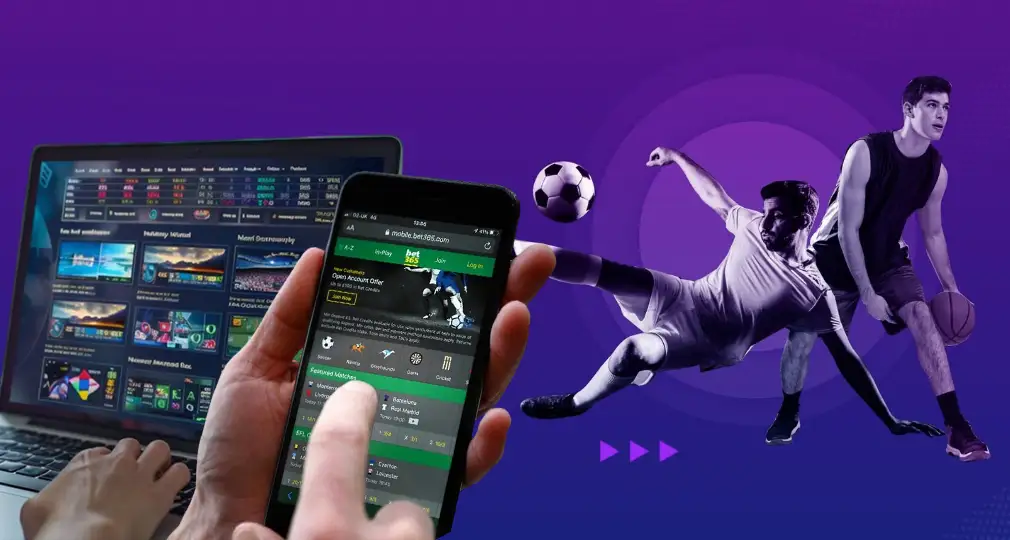
The gambling industry has undergone a dramatic transformation over the past decade. What once relied heavily on desktop platforms has shifted decisively toward mobile. Today, mobile betting is no longer a secondary channel — it is the primary driver of traffic, engagement, and revenue for most operators.
But why has mobile overtaken desktop so completely?
The answer lies in user behavior, technology evolution, payment innovation, and platform optimization.
Convenience and Instant Access
The most obvious reason is accessibility.
Smartphones are always within reach. Unlike desktops, which require users to be at home or in the office, mobile devices allow betting anytime and anywhere. Whether commuting, watching live sports, or relaxing at home, users can place bets in seconds.
This constant availability dramatically increases betting frequency and impulsive engagement — especially for live betting markets.
Growth of Live and In-Play Betting
Live betting has become one of the fastest-growing segments in online gambling. Mobile devices perfectly match this format:
- Instant odds updates
- Push notifications
- Real-time statistics
- One-tap bet placement
Users watching a match can immediately respond to changing odds without switching devices.
Desktop platforms simply cannot compete with the immediacy of mobile during live events.
App Optimization and UX Design
Modern betting apps are built specifically for mobile behavior:
- Biometric login (Face ID, fingerprint)
- One-click deposits
- Simplified navigation
- Personalized dashboards
- Fast loading speeds
Mobile interfaces are cleaner and more focused than traditional desktop websites, which often feel overloaded with information.
Operators now prioritize “mobile-first” development, meaning desktop platforms are often adapted versions of mobile designs — not the other way around.
Faster Payment Solutions
Mobile wallets and integrated payment systems have significantly reduced friction:
- Apple Pay
- Google Pay
- Crypto wallets
- Instant banking apps
Deposits and withdrawals can be completed in seconds. Many betting apps store payment credentials securely, eliminating the need to re-enter details repeatedly.
This convenience directly increases conversion rates.
Push Notifications Drive Engagement
Desktop platforms rely mainly on email marketing. Mobile apps, however, use push notifications to re-engage users instantly:
- Bonus reminders
- Free bet offers
- Live odds alerts
- Event start notifications
This creates a continuous communication loop between the operator and the user, increasing retention and session frequency.
Younger Audience Behavior
Younger demographics are mobile-native. Many users under 35 rarely use desktop computers for entertainment purposes. Their digital ecosystem revolves around smartphones:
- Social media
- Streaming
- Messaging
- Gaming
Betting naturally integrates into this mobile-centric lifestyle.
As generational shifts continue, mobile dominance will only strengthen.

Performance and Network Improvements
The rollout of 4G and 5G networks has eliminated many of the speed limitations that once favored desktop platforms. High-speed mobile internet now supports:
- Live streaming inside betting apps
- Real-time odds synchronization
- Instant transaction processing
Technical barriers that once limited mobile betting no longer exist.
Data Personalization and AI Integration
Mobile platforms allow more precise personalization based on:
- Location data
- Usage behavior
- Betting history
- Device analytics
This enables operators to tailor offers, odds boosts, and notifications to individual users in real time.
Desktop environments offer fewer behavioral triggers and lower engagement data frequency.
Conversion and Revenue Metrics
Industry data consistently shows:
- Higher session frequency on mobile
- Longer engagement time during live events
- Higher micro-bet activity
- Stronger impulse betting patterns
While desktop users may sometimes deposit larger amounts per session, mobile drives higher volume and consistent activity.
For operators, predictable recurring engagement often outweighs occasional high deposits.
The Psychological Factor
Mobile betting creates a more immersive and immediate experience. The device feels personal and private. Users perceive lower friction and faster reward cycles.
The reduced “effort barrier” encourages spontaneous betting decisions — particularly in sports and casino mini-games.
Is Desktop Betting Disappearing?
Not entirely.
Desktop still plays a role in:
- High-stakes bettors
- Professional traders
- Multi-screen analysis
- Strategy-based betting
However, for the mass market, mobile is now dominant — and continues to grow.
Most operators report that over 70% of total traffic and revenue originates from mobile devices.
The Future: Mobile-First, Mobile-Only?
The next phase of betting innovation will likely revolve around:
- AI-powered betting assistants
- Integrated streaming and betting
- Voice betting
- Crypto wallet-native betting apps
- Augmented reality experiences
All of these innovations are mobile-centric.
Desktop will remain relevant — but as a secondary channel.
Mobile betting dominates because it aligns perfectly with modern digital behavior: instant access, speed, personalization, and convenience.
As technology advances and user habits continue shifting toward smartphones, mobile will not just lead — it will define the future of online gambling.
Operators who fail to prioritize mobile optimization risk falling behind in an increasingly competitive market.
Read more: Biggest sportsbook in the world