


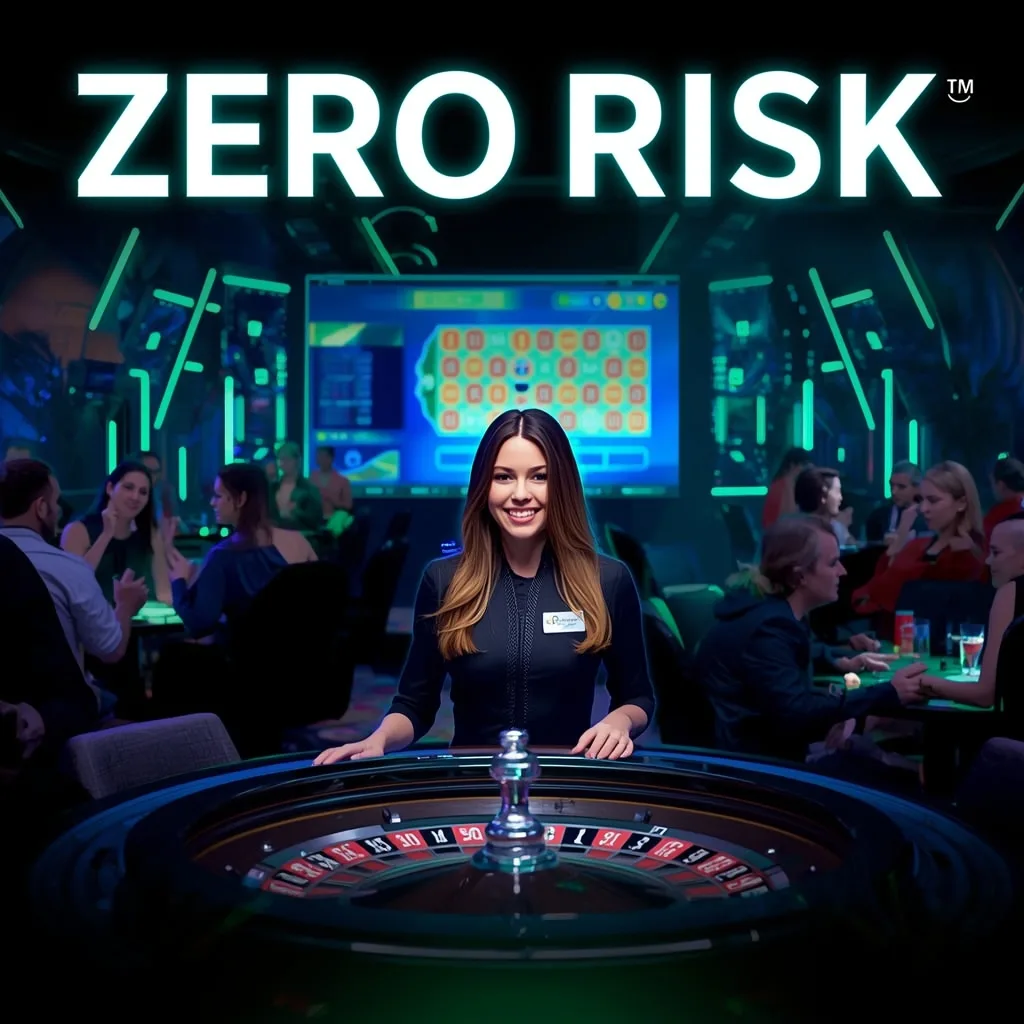
The first time you open a live casino table, it can feel a bit like walking into the wrong room at a party. There’s a dealer talking quickly, numbers flashing on the screen, other players placing bets in seconds, and a countdown that seems way too short. It’s completely normal to worry you’ll click the wrong thing, act too slowly, or lose money before you even understand what just happened.
You don’t have to dive straight in with real cash to figure it out. Think of live casino games as something you ease into, not jump at. You can watch a few rounds, test the rules elsewhere, and practise the flow without risking a cent. By breaking the learning process into small steps like that, the whole thing becomes calmer, cheaper, and a lot less intimidating – so when you finally sit at a “real” table online, it feels familiar instead of scary.
Step 1. Watch Before You Play
The easiest starter move is to watch a game like a spectator. Many live casinos let you open a table and observe without placing bets. This alone teaches you more than a long rulebook.
Pay attention to:
- The sequence of each round, from bets open to payout.
- The gestures and phrases the dealer uses over and over.
- Where the winning numbers or cards appear on the interface.
If you feel lost, keep watching until you can predict what happens next in a round. When you can follow the flow without thinking, you are already past the first barrier most beginners hit.
Step 2. Learn the Rules Away From the Table
Live games move quickly. That is not the place to read the rules for the first time. Take ten or fifteen minutes away from the table to learn the basics.
Focus on three things only:
- What bets exist in the game.
- What each bet pays if it wins.
- Which bets are considered simpler and safer for beginners.
For roulette, that might be outside bets like red/black or odd/even. For blackjack, it is understanding hit, stand, and basic total values. For game‑show‑style wheels, it is knowing which segments are low‑risk and which are high‑risk bonus picks. You do not need a full strategy chart to start; you just need to know what you are actually clicking.
Step 3. Use Free Tools and Simulators
A powerful but often ignored option is practising with zero stakes. Many sites and apps offer demos, fun‑money modes, or training tools that behave like the real game but do not take your cash.
These “sandbox” environments are perfect for:
- Testing how payouts work.
- Seeing how streaks and dry spells actually feel over time.
- Trying different bet sizes and patterns without stress.
Some players also use themed practice tools such as a Crazy Time simulator to get used to wheel‑based game shows. The idea is not to “beat” the game but to understand its pace, volatility, and the basic feel of hot and cold stretches – all without risking anything.
Step 4. Start With Tiny Real‑Money Stakes
At some point, you may want to experience a real live table. When you do, keep the stakes as small as possible. The goal is experience, not profit.
Good habits for a first real session:
- Set a strict budget so small you can forget it if you lose it all.
- Choose tables that support micro stakes, even if they look less glamorous.
- Prefer simple bets only for your first few sessions.
Small stakes protect you in two ways. First, they buy time: you get more rounds for the same money. Second, they keep emotions under control. It is much easier to stay calm and think clearly when the amount on the table does not scare you.

Step 5. Practise One Game at a Time
New players often jump between blackjack, roulette, and multiple game shows in one evening. That feels exciting, but it is one of the fastest ways to stay confused. Each game has different rules, different rhythms, and different traps.
Pick one game and commit to it for a while. For example:
- One month focusing only on roulette.
- A few weeks learning blackjack basics.
- A set number of sessions exploring a single game‑show title.
By narrowing your focus, you allow patterns to sink in. You start to recognise typical outcomes, common dealer routines, and when you personally tend to make mistakes – like rushing or over‑betting after a loss.
Step 6. Separate Learning From Chasing Wins
A big mental shift is treating your early sessions as “tuition,” not as an investment. You are paying in time and tiny stakes to learn how a live casino environment works. The aim is:
- To feel comfortable with the interface.
- To reduce panic when the timer counts down.
- To make fewer impulse decisions.
If you walk away from a beginner phase and your only question is “Did I win enough,” you missed the point. A better question is “Do I now understand what I’m doing well enough to avoid obvious mistakes?” That mindset reduces pressure and makes you far less likely to chase losses.
Step 7. Build Simple Personal Rules
Before you become a regular player, it is smart to create a few non‑negotiable rules for yourself. These are personal guardrails that keep live games in the “fun” category.
Common examples:
- Never play when tired, angry, or drunk.
- Quit immediately if you start doubling bets just to recover losses.
- Limit yourself to a fixed number of sessions per week.
The details are up to you, but the rules should be clear and easy to follow. If you catch yourself breaking them regularly, that is a sign to step back and take a longer break, not a sign to push harder.
Step 8. Focus on Experience, Not Image
Live casino games can feel social. There is a chat, there are other players, and there is often a charismatic host or dealer. It is tempting to prove something – betting bigger to “keep up,” chasing bold options to look brave, or showing off in chat. None of that helps you learn.
As a beginner, ignore the crowd and treat the table like a personal practice space:
- You do not owe anyone a big bet.
- You do not need to answer every message.
- You are allowed to sit quietly, play small, and leave whenever you want.
Taking the pressure off your image lets you actually notice what is happening in the game instead of worrying about what others think.