


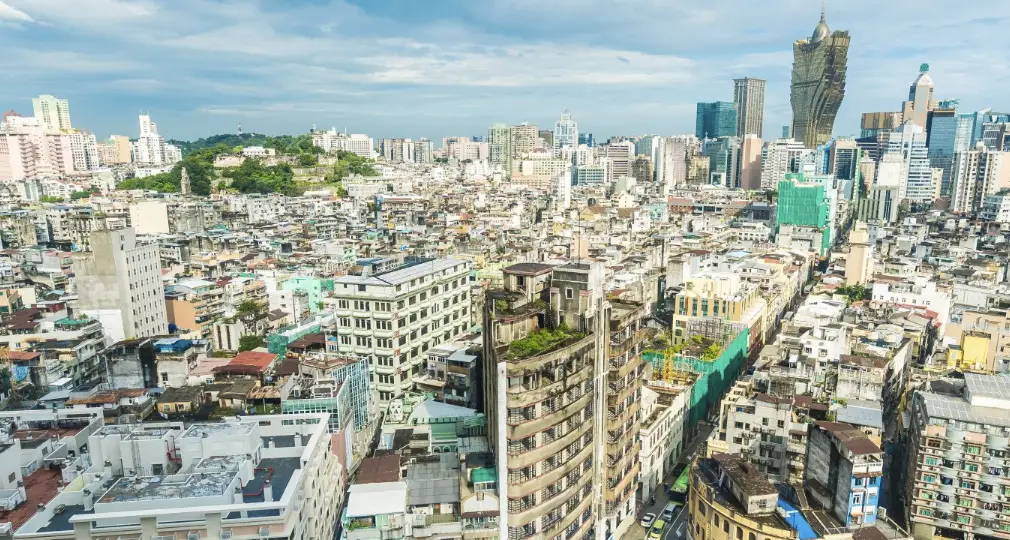
Macau occupies a unique position in the global tourism landscape. Despite its compact size, the region consistently ranks among the world’s most visited and most profitable travel destinations. Often described as the “Las Vegas of Asia,” Macau has evolved far beyond a gambling hub into a diversified tourism ecosystem built around luxury hotels, entertainment, fine dining, shopping, and large-scale events.
The hotel and tourism sector is the backbone of Macau’s economy, accounting for the majority of GDP, employment, and foreign visitor inflows. Understanding how this sector functions provides insight into one of the most successful tourism models in the world.
The Role of Integrated Resorts
At the heart of Macau’s hotel industry are integrated resorts—large-scale complexes that combine five-star hotels, casinos, convention centers, shopping malls, theaters, and restaurants under one roof. This model allows operators to maximize visitor spending while extending average length of stay.
Global brands such as Sands China, Wynn Resorts, MGM, Melco, and Galaxy Entertainment dominate the market. Their properties regularly rank among the world’s largest hotels by room count and investment value. Unlike traditional city hotels, Macau’s resorts are designed as self-contained destinations, encouraging guests to spend most of their time and money within the complex.
Hotel Capacity and Luxury Positioning
Macau’s hotel sector is heavily skewed toward the upper end of the market. A significant share of room inventory falls into the four- and five-star categories, reflecting the destination’s focus on premium travelers.
| Segment | Share of Hotel Rooms |
|---|---|
| 5-Star Hotels | High |
| 4-Star Hotels | Medium |
| 3-Star & Budget | Limited |
| Serviced Apartments | Growing |
This concentration of luxury accommodation supports high average daily rates and strong profitability, even during periods of reduced visitor volume.
Tourism Demand and Visitor Profile
Macau’s tourism demand is primarily driven by travelers from mainland China, Hong Kong, Taiwan, and Southeast Asia. Short-haul travel dominates, with many visitors arriving for weekend stays or day trips.
However, the government and resort operators have increasingly targeted international markets to reduce dependence on a single source region. Promotional campaigns now emphasize culture, gastronomy, events, and family-friendly attractions alongside gaming.
Key visitor segments include:
- Leisure travelers seeking luxury experiences
- Gaming-motivated tourists
- Business and MICE (Meetings, Incentives, Conferences, Exhibitions) visitors
Beyond Gaming: Diversification of Tourism Offerings
While gaming remains a central attraction, Macau’s tourism strategy has shifted toward diversification. Authorities encourage operators to invest in non-gaming amenities, including large entertainment venues, cultural exhibitions, Michelin-star dining, and retail experiences.
This shift serves two purposes: reducing regulatory risk associated with gaming revenue and attracting a broader, more sustainable tourist base. Hotels now market themselves not only as places to stay, but as lifestyle destinations offering unique experiences.

Infrastructure and Accessibility
Macau’s tourism growth is supported by advanced infrastructure. The Hong Kong–Zhuhai–Macau Bridge, expanded ferry terminals, and modern airport facilities have significantly improved regional connectivity. Easy access plays a critical role in maintaining high occupancy rates and frequent repeat visits.
Efficient transport links also allow Macau to function as part of a broader Greater Bay Area tourism ecosystem, integrating seamlessly with neighboring cities.
Challenges Facing the Sector
Despite its success, Macau’s hotel and tourism industry faces structural challenges. Heavy reliance on regional markets makes it vulnerable to policy changes, economic fluctuations, and travel restrictions. Additionally, rising operational costs and increasing competition from other Asian destinations put pressure on margins.
Another long-term challenge is balancing mass tourism with sustainability. Limited land availability and high visitor density require careful urban planning and investment in smart tourism solutions.
Future Outlook
Looking ahead, Macau’s tourism strategy focuses on quality over quantity. The emphasis is shifting toward higher-spending visitors, longer stays, and diversified revenue streams. Investment in cultural tourism, wellness travel, and international events is expected to strengthen the hotel sector’s resilience.
With continued government support and private investment, Macau is likely to maintain its position as one of the world’s most profitable and distinctive hotel-tourism markets.
Conclusion
Macau’s hotel and tourism industry represents a highly concentrated, luxury-driven model that few destinations can replicate. Built around integrated resorts and supported by strong infrastructure, the sector continues to evolve beyond gaming into a multifaceted tourism ecosystem. Despite challenges, Macau remains a benchmark for destination-led hospitality and a key player in global tourism.
Read more: Cash advance at casino with debit card