

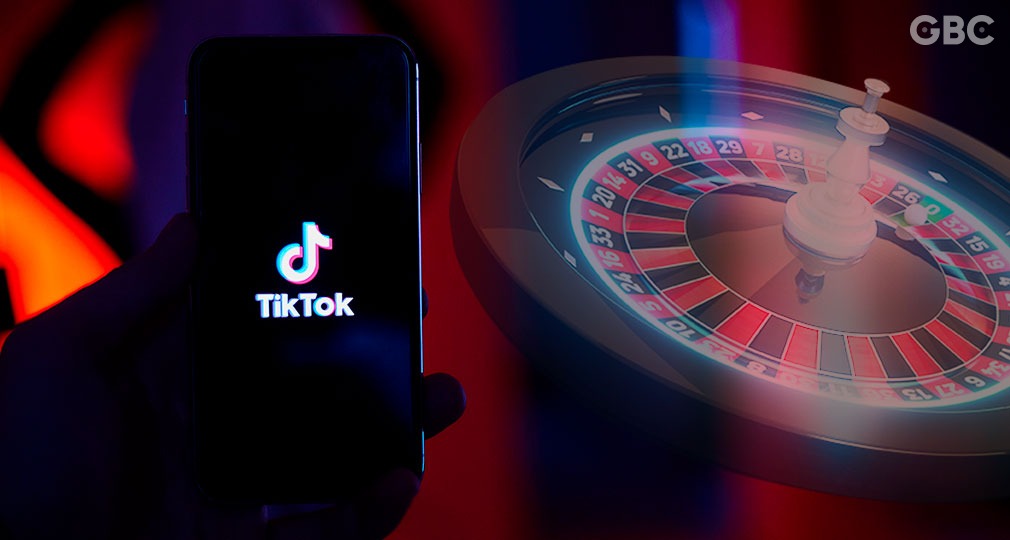
Casino content is one of the biggest organic trends on TikTok — big-win clips, slot streamers, and live sessions pull millions of views. But there’s a crucial catch operators miss: TikTok prohibits most real-money gambling advertising by default, allowing paid casino ads only in a handful of licensed markets and only after certification. This guide separates the organic trend from the advertising reality, so you understand both why casino content thrives on TikTok and where the hard limits are.
Why Casino Content Trends on TikTok
TikTok has been among the most-downloaded apps in the world for years, and its recommendation algorithm can push a single clip to a huge audience fast. That’s catnip for casino content. The popular formats are exactly what you’d expect:
- Short videos of big wins and near-misses
- Live streams and group lives of slot and table-game sessions
- Photo slideshows and clip compilations
Hashtags like #bigwins, #majorjackpot, and regional tags pull these together, and “online casino,” “live casino,” and “slots” are genuinely high-interest search terms on the platform. Table games — roulette, baccarat, poker — have ridden the trend too. The organic appetite is real.
The Reality: TikTok’s Gambling Ad Policy
Here’s where the original “TikTok is perfect for casino promotion” narrative needs correcting. TikTok’s advertising policy prohibits most real-money gambling ads globally. Paid promotion is permitted only in specific licensed markets and only with prior approval.
As of 2026, TikTok allows real-money gambling advertising in a limited set of jurisdictions — including the United States (state-by-state for sports betting and online casino), the United Kingdom, Canada (provincially regulated markets), Spain, and selected European markets with national licensing — and only for advertisers who pass certification by proving their license and legal compliance. Ads must also enforce strict 18+/21+ age-gating and avoid misleading or “guaranteed win” claims.
So the rule of thumb is blunt: do not assume casino promotion is allowed. Outside approved markets, paid gambling ads are off the table, and even organic content is treated as a regulated commercial activity that can be removed.

Organic vs. Paid: Two Very Different Games
This distinction matters for any operator or affiliate:
- Organic content (creators, big-win clips, streams) drives the trend and reaches audiences, but it still must respect TikTok’s community rules on regulated activities — and it can’t be used to dodge the ad-policy gate.
- Paid ads require licensing, certification, geo-targeting to approved markets, and age verification. Skipping these gets accounts and campaigns pulled.
For practical, compliant approaches, see our guide to gambling ads on TikTok: top 3 approaches to success and the broader TikTok trends overview.
How Operators Use TikTok Compliantly
Within the rules, TikTok can still work:
- Lead with brand and entertainment, not direct real-money calls to action, in markets where ads aren’t permitted.
- Use certified paid campaigns only in approved, licensed markets with proper age-gating.
- Partner with creators who understand the platform’s regulated-content rules.
- Stay current — policies and approved-market lists change, as our look at how TikTok is changing affiliate arbitrage in 2026 explores.
Conclusion
Online casino is a genuine trend on TikTok — organically, the content is everywhere and the audience is massive. But the marketing reality is tightly fenced: paid gambling ads are prohibited by default and allowed only in licensed markets via certification, with strict age and claims rules. Treat the organic momentum as an opportunity and the ad policy as a hard boundary, and you’ll use the platform without getting burned.
For the rules straight from the source, see TikTok’s gambling ads policy and its Community Guidelines on regulated commercial activities.
Related: