

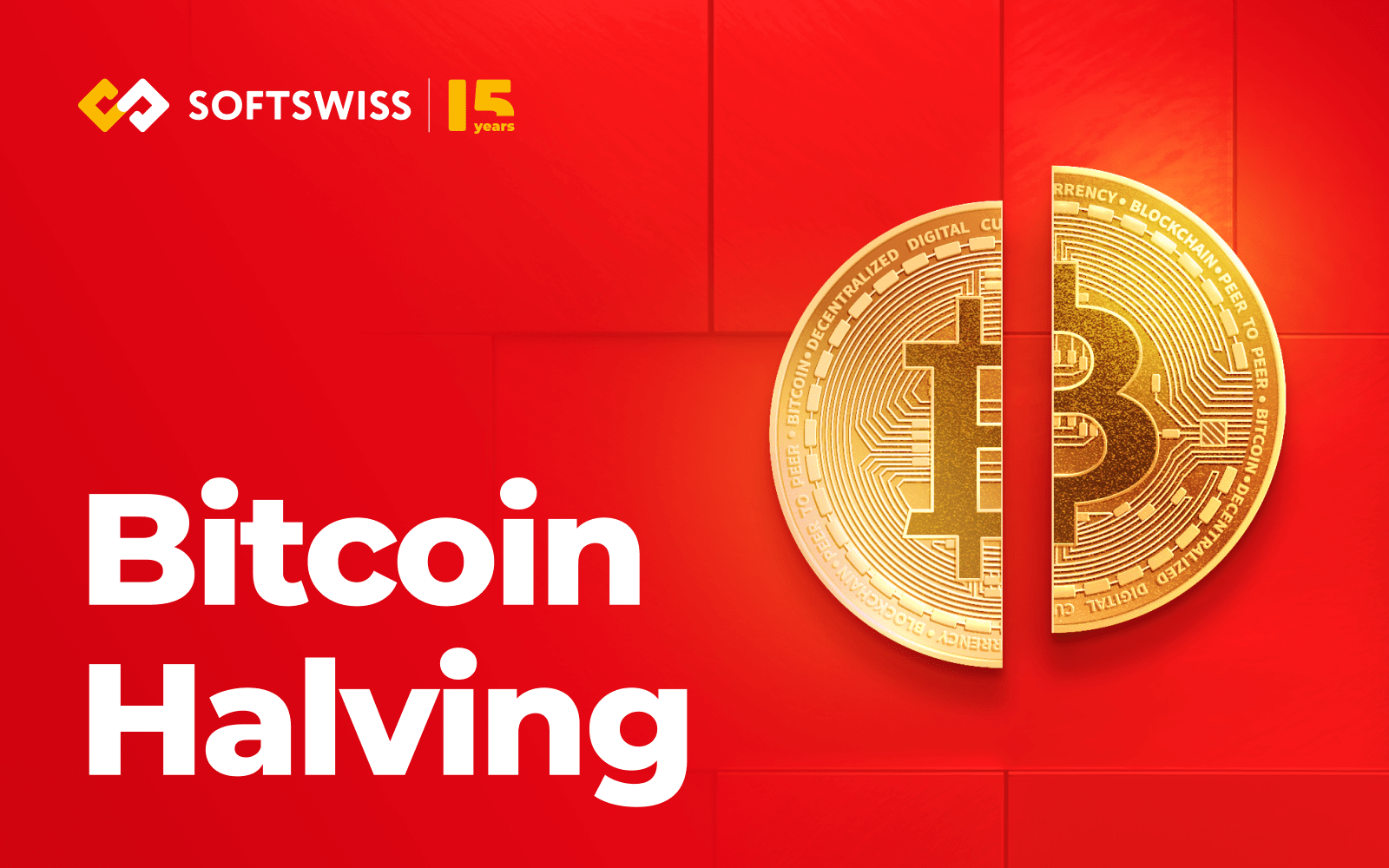
Bitcoin halving is one of crypto’s most-watched events — and because so much of online gambling now runs on crypto, it matters to iGaming too. A halving cuts the reward miners earn in half roughly every four years, tightening Bitcoin’s supply; historically this has pushed BTC’s price higher over the following 12–18 months. For crypto-friendly casinos and players, that means volatility, shifting transaction costs and treasury risk — though the industry’s move to stablecoins has softened the direct impact. Here’s what the halving is and why it matters for iGaming.
What is Bitcoin halving?
Bitcoin halving is a scheduled event, written into Bitcoin’s code, that occurs every 210,000 blocks — roughly every four years. Each time, the reward miners receive for adding a new block is cut in half, slowing the rate at which new bitcoins enter circulation. It’s the mechanism that enforces Bitcoin’s scarcity and its hard cap of 21 million coins (CoinLedger’s halving-dates guide lists every cycle).
There have been four halvings so far:
- 2012: 50 → 25 BTC
- 2016: 25 → 12.5 BTC
- 2020: 12.5 → 6.25 BTC
- April 2024: 6.25 → 3.125 BTC
The next is projected for around mid-2028, when the reward will fall to 1.5625 BTC. If you’re new to how Bitcoin works underneath, our explainer on how Bitcoin is defined is a good starting point.
The price pattern — and its caveats
Historically, each halving has been followed by a rise in Bitcoin’s price, as reduced new supply meets steady or growing demand. The 2024 cycle fit the pattern: BTC climbed through the following year and reached a record high around $126,000 in October 2025 — roughly 18 months after the halving, in line with the historical 12-to-18-month lag (Bitcoin Magazine Pro’s halving analysis). The crucial caveat: correlation isn’t a guarantee. Halvings coincide with many other forces — interest rates, ETF flows, regulation — and past performance never promises the next cycle will repeat, a point worth remembering against the hype, as our piece on cryptocurrency myths explores.
What the halving means for iGaming
Because crypto is now core payment infrastructure for online gambling, the halving’s effects ripple into the sector:
- Volatility. When BTC’s price swings after a halving, so do player balances and operator treasuries held in Bitcoin. A rising price is great for holders, but sharp moves in either direction complicate accounting and payouts.
- Transaction fees. Network demand and miner economics shift around halvings. Since miners earn block rewards and transaction fees, fee pressure can rise — affecting the cost and speed of crypto deposits and withdrawals.
- Miner economics. With the block reward cut, miners lean more on fees and efficiency; “hash price” (revenue per unit of mining) has fallen sharply since April 2024. This is mostly indirect for iGaming, but it shapes the network players rely on.
- Operator risk. Crypto-friendly operators must manage exposure to a more volatile asset — hedging, converting promptly, or simply holding less BTC on the books.

How stablecoins changed the equation
Here’s the most important modern update: the halving matters less for day-to-day iGaming than it used to, because the industry has largely moved to stablecoins. Dollar-pegged coins like USDT and USDC now account for the majority of on-chain gambling volume, and because their value doesn’t swing with Bitcoin’s, halving-driven volatility barely touches players who deposit and withdraw in them. Bitcoin still matters as a store of value and a headline asset, but stablecoins have insulated the everyday cashier — a shift we cover in our guide to cryptocurrency gambling.
Looking ahead to 2028
With the next halving expected around mid-2028, the questions for iGaming are familiar: will the price pattern hold, how will transaction fees behave, and how exposed are operators to BTC? For the industry’s own read on the last cycle, the SOFTSWISS H1 2024 halving overview is a useful companion. The likeliest answer, though, is that stablecoins keep absorbing the day-to-day risk while Bitcoin’s halving remains a market event to watch rather than fear.
Conclusion
Bitcoin halving is a deflationary milestone that has historically lifted BTC’s price and, with it, attention on crypto across iGaming. For operators and players, the real effects are volatility, transaction costs and treasury exposure — all genuine, but increasingly cushioned by the move to stablecoins. Understand the mechanism, watch the 2028 cycle, and treat the price narratives with healthy scepticism.