

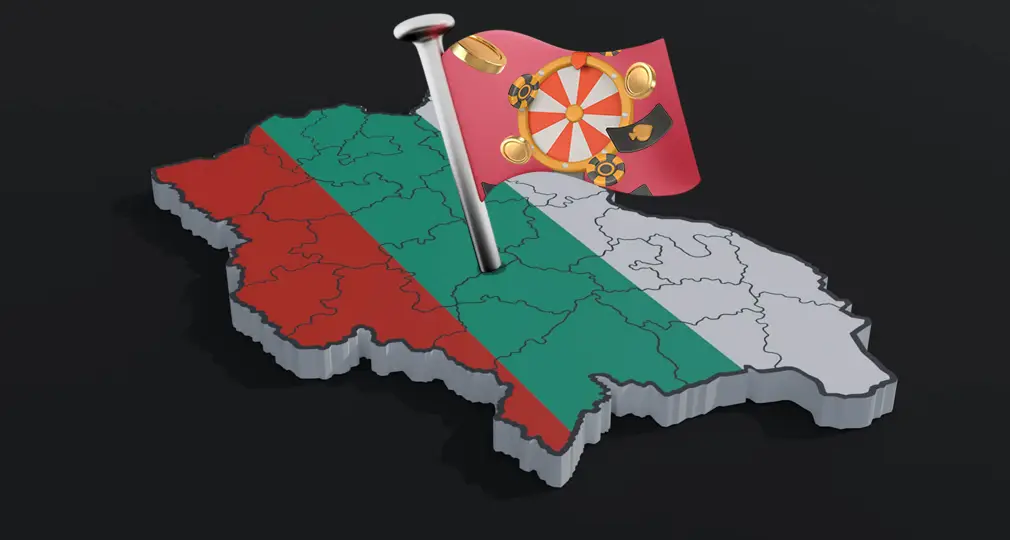
Bulgaria has steadily positioned itself as one of the more attractive gambling jurisdictions in Eastern Europe, combining relatively comfortable tax conditions with a clear, centralized regulatory framework. At the same time, the country maintains a strict state monopoly over lotteries, creating a unique dual-market structure where private operators coexist with government-controlled segments.
As of 2025, Bulgaria remains an interesting case study for investors, operators, and affiliates evaluating regulated European markets with moderate entry barriers and predictable rules.
Regulatory Framework and Key Authorities
Gambling activities in Bulgaria are regulated primarily by the National Revenue Agency (NRA), which assumed regulatory oversight after reforms aimed at increasing transparency and tax compliance. Licensing, supervision, and enforcement are centralized, reducing regional inconsistencies often seen in other EU markets.
Key regulated segments include:
- Online casinos
- Sports betting (online and retail)
- Land-based casinos and slot halls
State monopoly applies exclusively to lottery products, including instant lotteries and number-based draws.
Tax Environment: Why Bulgaria Is Considered “Comfortable”
One of Bulgaria’s strongest competitive advantages is its comparatively low and predictable tax burden.
Gambling Taxation Snapshot (2025)
| Segment | Tax Model | Effective Rate |
|---|---|---|
| Online casino & betting | Gross Gaming Revenue (GGR) | ~20% |
| Land-based gambling | Turnover-based / mixed | Varies by product |
| Corporate income tax | Flat rate | 10% |
| Dividend tax | Flat rate | 5% |
The 10% corporate tax is among the lowest in the European Union, making Bulgaria especially attractive for companies structuring regional operations or holding entities.
For licensed gambling operators, taxation on GGR instead of turnover allows for more sustainable business models compared to stricter jurisdictions.
The Lottery Monopoly: Structure and Rationale
Unlike casinos and betting, the lottery sector is fully monopolized by the state. After regulatory changes aimed at eliminating opaque private schemes, all lottery operations were consolidated under government control.
Why the State Maintains Monopoly
The official rationale includes:
- Protection of consumers
- Prevention of money laundering
- Guaranteed budget revenues
- Reduction of aggressive marketing practices
From a policy perspective, lotteries are treated as a “socially sensitive” product, justifying tighter control compared to other gambling verticals.
Impact on the Market and Operators
Positive Effects
- Stable and predictable regulatory environment
- Clear separation between private and state-controlled gambling
- Reduced reputational risks for licensed operators
- Increased tax transparency
Limitations
- No private entry into lottery products
- Missed innovation potential in digital lottery formats
- Limited cross-product synergies for operators
For international companies, this means Bulgaria is not a full-spectrum gambling market, but rather a segmented one with clearly defined boundaries.

Online Gambling Growth and Consumer Trends
By 2025, Bulgaria continues to see steady growth in online gambling driven by:
- High mobile penetration
- Improved digital payment infrastructure
- Growing acceptance of licensed platforms
- Cross-border EU traffic within compliance limits
Sports betting remains the dominant vertical, followed by online casino games, particularly slots and live dealer formats.
Compliance, Responsible Gambling, and Enforcement
Bulgarian regulators have tightened compliance requirements in recent years:
- Mandatory responsible gambling tools
- Self-exclusion registries
- Advertising restrictions, especially for vulnerable audiences
- Stronger AML and KYC enforcement
While enforcement is firm, it is generally viewed as procedural rather than punitive, providing operators with clear guidelines instead of unpredictable sanctions.
Bulgaria in the European Gambling Landscape
Compared to Western European markets, Bulgaria offers:
- Lower operational costs
- Simpler tax structure
- Faster licensing procedures
Compared to offshore jurisdictions, it provides:
- EU legitimacy
- Regulatory stability
- Access to regulated payment systems
This balance makes Bulgaria particularly attractive for mid-sized operators, affiliates, and B2B providers targeting Eastern and Central Europe.
Outlook: What to Expect Beyond 2025
Key expectations for the Bulgarian gambling market include:
- Gradual growth of online segments
- Continued protection of the lottery monopoly
- Incremental tightening of advertising standards
- Increased focus on ESG and responsible play metrics
A full liberalization of the lottery market remains unlikely in the near future, as the monopoly is deeply embedded in fiscal and social policy.
Conclusion
Bulgaria represents a hybrid gambling market: business-friendly in taxation and licensing, yet conservative in strategically sensitive segments like lotteries. For companies willing to operate within these boundaries, the country offers stability, cost efficiency, and long-term predictability—qualities increasingly rare in the European gambling landscape.
Read more: Top Trending Lottery Websites