

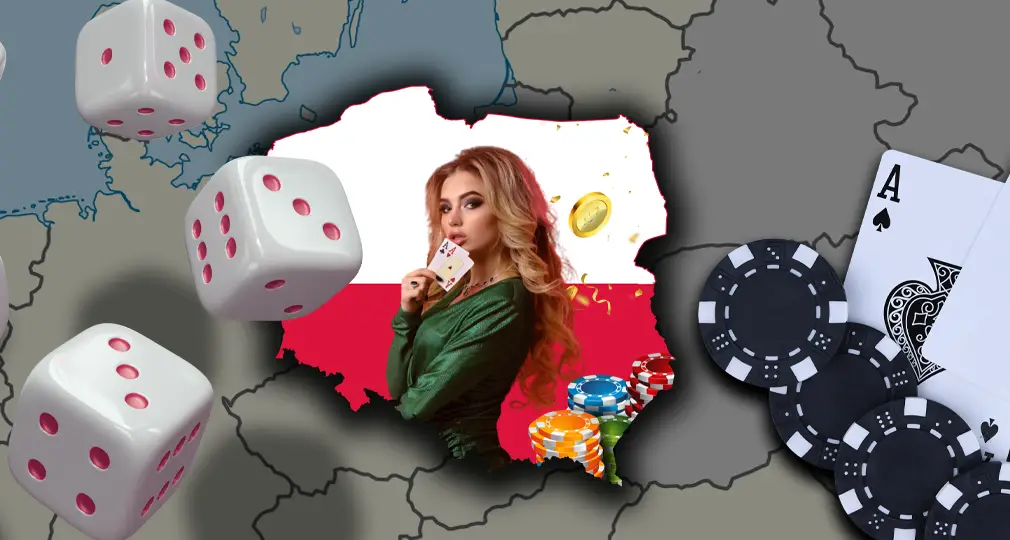
The gambling industry in Poland in 2025 is characterized by a mixture of strict state control, steady financial growth, and persistent issues with the grey market. Despite restrictions, Poles continue to gamble actively, both within the official system and through offshore operators.
Legal and Regulatory Framework
The Polish gambling sector operates under the Gambling Act of 2009, with later amendments that tightened regulations. The Ministry of Finance oversees the industry and acts as the primary regulator.
One of the key features of the Polish model is the state monopoly. Almost all forms of online gambling are controlled by the state-owned operator Totalizator Sportowy, which manages:
- Total Casino – the only legal online casino in the country.
- Lotteries and number games – both offline and online.
- Slot machines and land-based gambling halls – under state licensing.
Private companies can only enter the market in a very limited capacity. They are allowed to operate sports betting and promotion lotteries if they obtain the proper licenses. Online casino games, poker rooms, and most interactive gambling platforms are restricted to the monopoly.
Market Size and Financial Performance
In 2024–2025, the Polish gambling market demonstrated substantial revenues:
- The legal gambling sector generated around PLN 67 billion in turnover.
- The grey (illegal) market was almost as large, estimated at PLN 65 billion.
This nearly equal split highlights a significant challenge: despite strict laws, players frequently choose unlicensed offshore platforms.
Forecasts for the coming years show continued growth:
- By 2026, the licensed online betting and casino sector is expected to generate around PLN 7.4 billion in gross gaming revenue (GGR).
- By 2027, this figure could reach PLN 7.9 billion, assuming no major regulatory reforms.
- According to international forecasts, Poland’s total gambling revenues in 2025 are valued at over USD 4 billion, with moderate annual growth of around 1.8% CAGR through 2029.
Taxation
Polish gambling taxation is often criticized for being one of the most restrictive in Europe. Key points include:
- Sports betting is taxed at 12% of turnover, which significantly reduces margins for licensed operators.
- Casino games and lotteries operated by the state are taxed on gross revenues at high rates.
- Gambling winnings for players are subject to a flat 10% tax, with plans to increase this to 15% starting in 2026.
This taxation structure is viewed as a key factor pushing players toward offshore platforms, where winnings are untaxed and odds are more favorable.
The Grey Market Problem
One of the most pressing issues in Poland’s gambling sector is the dominance of unlicensed operators. Since the 2017 reforms, it is estimated that:
- Around PLN 230 billion has been wagered through illegal platforms.
- The state has lost approximately PLN 5.8 billion in tax revenue.
The government maintains a register of banned domains, which Internet providers are obligated to block. As of 2025, the blacklist contains more than 46,000 websites. Additionally, payment service providers are legally required to cut off transactions with unlicensed operators.
However, despite these measures, the grey market continues to thrive, as tech-savvy players find ways to bypass restrictions.

Strengths of the Polish Model
- Clear regulatory structure with one central regulator.
- Guaranteed consumer protection for legal offerings, as they are state-controlled.
- Effective enforcement tools, such as blacklists and penalties for payment intermediaries.
- Stable market growth despite restrictions.
Weaknesses and Challenges
- State monopoly limits competition, stifling innovation and player choice.
- High taxation makes licensed operators less attractive than offshore sites.
- Grey market almost equals legal market, undermining the purpose of regulation.
- Upcoming tax increase on winnings may drive even more players to unlicensed platforms.
Outlook for 2025 and Beyond
Looking ahead, the gambling business in Poland is at a crossroads. While the state monopoly ensures control and tax collection from the legal sector, the dominance of the grey market undermines these efforts.
Several trends are expected in the near future:
- Debate on reforms: Industry experts are calling for an end to the strict monopoly, suggesting that a licensing system similar to other EU states would reduce illegal play.
- Tax adjustments: The increase in the winnings tax to 15% may spark further criticism and could backfire by pushing players away from legal platforms.
- Stronger enforcement: The government is expected to expand its blacklist, apply stricter penalties to payment intermediaries, and raise public awareness about legal gambling options.
- Technological adaptation: Players will continue to seek mobile-first platforms, while authorities may need to adapt regulations to keep pace with digital trends.
Conclusion
Poland’s gambling market in 2025 is both lucrative and problematic. With annual revenues exceeding PLN 67 billion, it remains one of the largest in Eastern Europe. Yet, the nearly equal size of the grey market shows that strict state control has not solved the core issue of illegal gambling.
Unless significant reforms are introduced—particularly in terms of opening up online casinos to licensed competition and rebalancing the tax system—Poland risks losing more revenue and further fueling the offshore industry.
Read more: Best Trading Platform for Beginners