


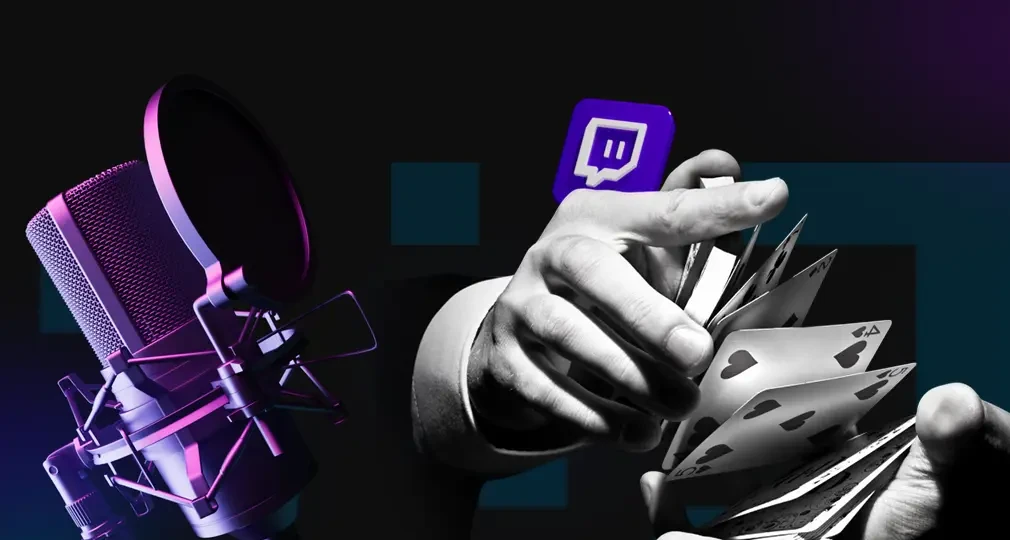
With international poker series shifting online, the number of poker livestreams on Twitch has surged — and with it, viewership, fan interest, and marketing opportunities. Poker streams now sit alongside esports, gaming, talk shows, and variety streams, helping poker reach broader audiences than ever before.
Twitch, originally built for video games — but long since expanded — turned laptops and tablets into portable broadcast studios, combining the best elements of television, social media, gaming, entertainment, and creativity. For poker players and fans, the platform replaced the old cycle of waiting for televised poker shows: now, any day might feature a big tournament final table or a casual high-stakes game, live and interactive.
Recent Record Streams for Poker
In the early 2020s, poker streams already showed impressive peaks. For example: a few years back a streamer reached over 90,000 concurrent viewers during a major online tournament. Today, with more online poker series and better production quality, peak viewership for big events sometimes exceeds six figures, especially when celebrity players or well-known pros are involved.
Many poker rooms and operators now run official Twitch channels, often hosting daily or weekly streams. This includes big international brands as well as regional sites. In 2025, it’s common to see a mix of:
- Live tournament coverage
- High-stakes cash games
- Player vlogs / hand analysis / study sessions
- Community or charity games
- Hybrid formats mixing casino games + poker
This surge benefits from broader Twitch adoption: many viewers no longer just watch esports or games like shooters; they follow poker, board games, and even casual “play-along” streams.
Scandals and Controversies — Still Part of the Story
Even as poker on Twitch grows, controversies remain unavoidable. One high-profile example involved a famous pro player whose account got banned after using insulting or violent language during a livestream. That incident drew wide media attention and reminded everyone that Twitch’s community & conduct standards apply to poker just like any other content.
Because rules are strictly enforced — and viewership often drives monetization — streamers must be vigilant about both their own behavior and that of their chat communities (especially when there is donation or alert-based chat activity).
Beyond behavior, there are also structural tensions: payment methods, licensing, gambling regulations in jurisdictions, and transparency of games. Some viewers are skeptical that all streamed games follow fair RNG/hand-dealing practices, especially when “home games” or private cash games are broadcast. This tension can create reputational risks for both streamers and operators.
Marketing Potential — Why Poker & Operators Love Twitch
From a marketing perspective, Twitch is ideal for poker for several reasons:
- 24/7 brand presence: There’s almost always someone streaming — from big tournaments to casual games — giving constant exposure to brands, poker rooms, sponsors.
- Direct engagement with target audience: Poker’s core demographics (young adults, gamers, enthusiasts) overlap heavily with Twitch’s user base.
- Cross-promotion opportunities: Poker rooms increasingly link player accounts to Twitch accounts. For instance, allowing Twitch viewers to follow player stats, leaderboards, promos, and in-app bonuses.
- Content variety: Beyond tournaments — hand analysis, strategy sessions, tutorials, community streams — poker content can appeal not just to gamblers, but to viewers interested in learning the game, watching players interact, or simply enjoying card drama.
- Monetisation & affiliate potential: Streamers can feature referral links, bonuses, affiliate codes, bringing value to operators; operators get a lower-cost, high-engagement marketing channel compared to traditional ads.
For poker rooms that invested early in integrating Twitch — streaming tables, enabling in-app links, and working with recognized poker streamers — this shift proved strategic.
In past years, some major poker operators even offered direct account linking between their poker platform and Twitch, letting players and viewers connect their identities, watch tournaments, and get promo offers. This tight integration helps turn passive viewers into active players.

Twitch in 2025: Broader Growth Means Broader Poker Reach
Twitch has long since outgrown just video games. By 2025, it hosts streams in categories such as talk shows, podcasts, travel and outdoor vlogs, art, music, cooking, fitness, board games, and lifestyle. As the platform grows across demographics, poker’s potential audience widens too — reaching not just seasoned gamblers, but newcomers curious about strategy, competition, and entertainment.
For many poker enthusiasts, the shift from old poker TV shows (like World Poker Tour, High Stakes Poker, Poker After Dark) to Twitch livestreams was a revolution: content is now accessible on-demand, interactive, and global. Instead of waiting for weekly or monthly broadcasts, fans can tune in any day and catch high-stakes games, tournament coverage, or educational streams — sometimes with live commentary, chat interaction, and community vibes.
This transformation turned poker into a social, interactive, and constantly accessible form of entertainment — giving operators and players alike a new ecosystem to grow.
Challenges — What Poker & Twitch Must Navigate
Still, there are several challenges for poker on Twitch:
- Regulation & licensing: Real-money poker is regulated differently across regions. Streaming may draw scrutiny from regulators in jurisdictions where online poker is restricted or illegal.
- Responsible gambling: Easy access to gambling streams may encourage irresponsible behavior. Operators must implement responsible-gaming tools (age verification, self-exclusion, deposit limits) and responsibly market gambling to avoid regulatory backlash.
- Fairness & transparency: Viewers must trust that dealt hands are random and not rigged. Private cash games or unsupervised streams risk suspicion. Transparent shuffling, randomization, or third-party oversight helps — but not all streams provide this.
- Platform rules & content violations: Twitch’s community guidelines apply. Hate speech, harassment, or other forbidden content (even from chat) can get a streamer banned — regardless of poker status.
- Monetization limits: Ad-blockers, changing ad revenue models, or stricter payment provider policies toward gambling can reduce income from affiliate or sponsorship deals.
Outlook for 2025 and Beyond
By 2025, poker on Twitch remains one of the most dynamic intersections of gambling, entertainment, and online culture. Key trends likely to shape the near future:
- More licensed operators embracing Twitch as a full marketing & streaming channel — live tables, tournaments, affiliate integrations, interactive promos.
- Hybrid streams mixing poker + casino + esports content — attracting broader audiences beyond traditional poker fans.
- Educational poker content growth — strategy sessions, tutorials, beginner-friendly streams will bring new players.
- Responsible gaming and compliance focus — to meet regulatory expectations and maintain long-term legitimacy.
- Higher production quality — professional cameras, commentary, overlays, livestream studios — making poker content more appealing, TV-like, even cinematic.
For operators — Twitch provides a scalable, flexible, high-engagement channel. For players and viewers — it’s accessible, social, interactive, and always live.
Read more: Open Banking for Gambling