

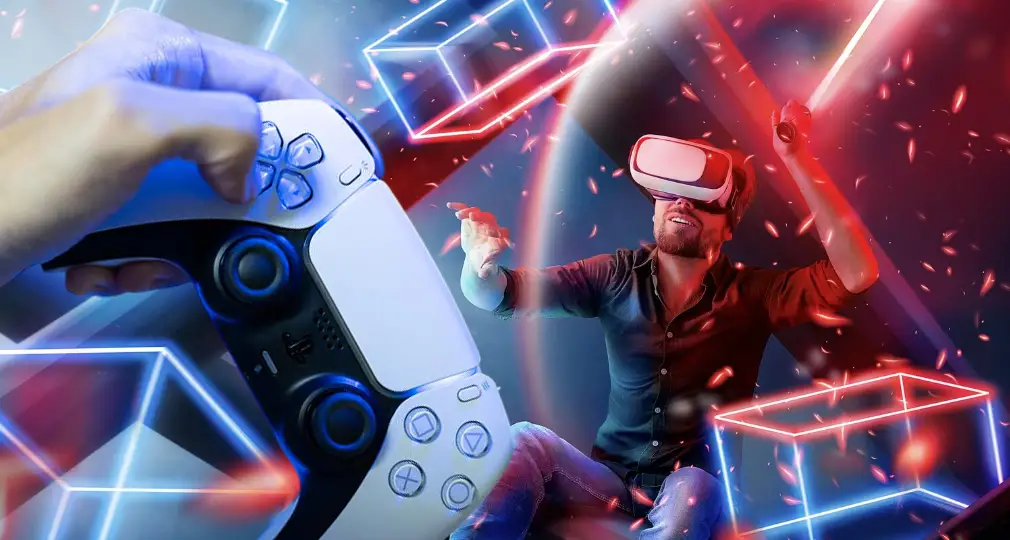
The blockchain gaming sector continues to evolve rapidly in 2026, blending decentralized finance (DeFi), NFTs, AI-driven economies, and immersive gameplay. What began as simple play-to-earn experiments has matured into complex ecosystems where players truly own assets, participate in governance, and generate real value.
Below are the top blockchain games of 2026 that are shaping the future of Web3 entertainment.
1. Axie Infinity: Reborn
After multiple upgrades and economic restructuring, Axie Infinity: Reborn has regained its position as a leading Web3 title. Originally launched by Sky Mavis, the franchise now offers:
- Cross-chain asset compatibility
- Stable in-game tokenomics
- Competitive PvP leagues with real rewards
- Improved onboarding for Web2 players
The 2026 version focuses less on speculative earning and more on balanced gameplay and long-term sustainability.
2. Illuvium
Built on Ethereum Layer 2 solutions, Illuvium has become one of the most visually impressive decentralized games on the market.
Key features include:
- AAA-quality open-world exploration
- NFT creature collection
- Staking and governance systems
- Interoperable assets across the Illuvium universe
In 2026, Illuvium’s esports tournaments and land economy expansion have significantly boosted its player base.
3. Big Time
Big Time combines fast-paced action RPG mechanics with optional blockchain integration. Unlike early blockchain titles, Big Time allows players to enjoy the game without deep crypto knowledge.
Highlights:
- Player-owned cosmetic NFTs
- Time-travel narrative
- Decentralized marketplace
- No pay-to-win mechanics
Its hybrid Web2/Web3 approach makes it one of the most accessible blockchain games today.
4. Star Atlas
Built on the Solana ecosystem, Star Atlas remains one of the most ambitious space metaverse projects.
In 2026, the game offers:
- Fully player-driven galactic economy
- DAO-controlled factions
- Tokenized starships and land
- Advanced Unreal Engine graphics
Star Atlas represents the convergence of DeFi, NFTs, and large-scale MMO gameplay.
5. The Sandbox
The Sandbox continues to dominate the metaverse sector.
Why it remains relevant:
- Major brand partnerships
- User-generated content monetization
- Land ownership model
- Creator-driven economy
In 2026, The Sandbox integrates AI world-building tools, allowing creators to launch games and experiences faster than ever.
6. Shrapnel
Shrapnel stands out as a high-budget FPS with real asset ownership. Built on Avalanche, it combines competitive gameplay with blockchain-backed item economies.
Core strengths:
- Player-created maps and skins
- NFT-based weapon ownership
- Esports integration
- Secure trading infrastructure
Shrapnel proves that blockchain can coexist with competitive shooter environments.
Key Trends in Blockchain Gaming 2026
The top blockchain games of 2026 share several defining characteristics:
1. Sustainable Tokenomics
Projects now prioritize long-term economic stability over hype-driven token launches.
2. Hybrid Web2/Web3 Experience
Players can join without crypto wallets and opt into blockchain features later.
3. Real Asset Ownership
NFTs have evolved beyond speculation — they now provide real utility and governance power.
4. Cross-Chain Interoperability
Assets move seamlessly across ecosystems.
5. Regulatory Compliance
Major studios align with evolving global digital asset regulations.
Blockchain gaming in 2026 is no longer an experiment — it’s a competitive segment of the global gaming industry. The focus has shifted from pure “play-to-earn” to “play-and-own,” where entertainment, ownership, and community governance coexist.
The projects leading the market today are those that balance innovation with sustainable economics and genuine player engagement.
As infrastructure improves and mainstream adoption accelerates, blockchain games are poised to become a permanent pillar of the gaming ecosystem.
Read more: Best Free Slots