

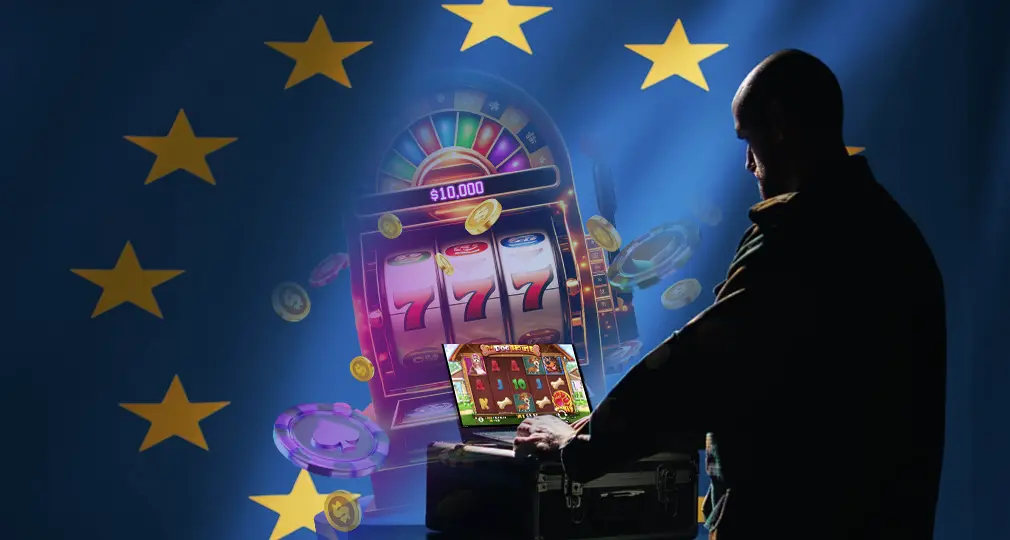
Online gambling in the European Union continues to evolve rapidly in 2026. While the EU promotes free movement of services and common legal standards in many sectors, gambling regulation still remains largely under national control. This means there is no single EU-wide gambling license that automatically grants access to every member state. Instead, each country applies its own framework for licensing, taxation, advertising, and player protection.
What has changed in 2026 is not the disappearance of national systems, but the strengthening of regulatory standards across the region. More countries are tightening compliance rules, increasing responsible gambling obligations, and improving enforcement against unlicensed operators. At the same time, digital payments, AI monitoring tools, and cross-border data cooperation are reshaping how regulation works in practice.
Why Gambling Regulation Is Still National, Not Unified
Unlike banking or trade rules, gambling has long been treated as a socially sensitive sector. Governments justify national control through consumer protection, fraud prevention, public health concerns, and tax policy. As a result, operators wanting to work across Europe must often obtain multiple local licenses rather than rely on one central authorization.
This creates a fragmented but commercially important market. Countries such as Malta, Sweden, Germany, Italy, Spain, and Romania all operate their own systems with different rules. For operators, success depends on localization and compliance rather than one-size-fits-all expansion.
Core Regulatory Principles in the EU in 2026
Although national laws differ, most European markets now revolve around similar principles. Regulators increasingly expect licensed operators to prove transparency, technical integrity, and active player protection.
- licensing and ownership checks for operators
- anti-money laundering (AML) and KYC verification
- responsible gambling tools and self-exclusion systems
- fairness testing for games and RNG systems
- taxation and local reporting obligations
- advertising controls and bonus transparency
These principles have become stricter in 2026, especially around identity checks and responsible gambling intervention.
What Changed in 2026
The biggest shift in 2026 is enforcement quality rather than legal philosophy. Many regulators now use stronger technology to detect breaches, monitor player behavior, and block unauthorized activity. This means rules that previously existed only on paper are being applied more actively.
Several practical trends stand out:
- faster blocking of unlicensed websites and payment routes
- tighter ad restrictions, especially around vulnerable groups
- stronger affordability and risk monitoring in some markets
- increased scrutiny of influencer and affiliate marketing
- wider use of AI for fraud and harmful play detection
For operators, compliance costs are rising. For players, protections are generally stronger.
Examples of Different EU Approaches
| Country | 2026 Regulatory Profile |
|---|---|
| Germany | Highly structured market with strict licensing and controls |
| Sweden | Strong player protection focus and active enforcement |
| Italy | Mature market with detailed product regulation |
| Spain | Tight advertising environment and licensed competition |
| Romania | Growing regulated market with regional relevance |
| Malta | Major licensing hub for international operators |
This diversity shows why the EU gambling market remains commercially large but legally complex.

Responsible Gambling Became More Central
In 2026, responsible gambling is no longer a secondary compliance box. It has become a central pillar of regulation. Operators are increasingly expected to identify risky patterns early and intervene before harm escalates.
Common mandatory tools now include:
- deposit, loss, and session limits
- cooling-off periods
- self-exclusion databases
- reality checks and play reminders
- support links to treatment organizations
Some regulators also expect evidence that these tools are effective, not merely available.
Advertising and Affiliate Pressure
One of the most noticeable changes in recent years is pressure on gambling marketing. Authorities across Europe are paying closer attention to how operators attract customers. Promotions aimed at young audiences, misleading bonus claims, or aggressive influencer campaigns face higher risk.
Affiliate marketing is also under review. Licensed brands are increasingly responsible for how partners advertise them. This means operators are tightening contracts, approval processes, and monitoring systems for affiliates.
| Area | 2026 Direction |
|---|---|
| TV / mainstream ads | More restricted |
| Bonus messaging | More transparent |
| Influencer promotions | Higher scrutiny |
| Affiliate traffic | Greater compliance oversight |
| Responsible messaging | More mandatory |
Impact on Players
For players, regulation in 2026 brings both benefits and trade-offs. Licensed markets generally offer stronger protections, clearer complaint channels, and safer payments. Identity verification is more common and often faster through digital systems.
However, players may also notice stricter limits, fewer aggressive bonuses, and more account checks. Some users dislike friction, but regulators increasingly prioritize sustainability over unrestricted growth.
Impact on Operators
Operators face a more demanding environment than in earlier years. Expansion across Europe still offers major opportunity, but each market requires separate legal planning, tax modeling, and product adaptation. Compliance teams, data monitoring, and legal budgets have become strategic assets.
Brands that once competed mainly on bonuses now compete on trust, technology, localization, and retention quality. In 2026, serious operators increasingly behave like regulated fintech companies rather than pure entertainment brands.
Online gambling in the European Union in 2026 remains nationally regulated, but the overall direction is clear: stricter standards, stronger enforcement, and greater emphasis on player protection. The biggest change is not one unified law, but the professionalization of how regulation is applied across member states.
For players, this means safer but more controlled environments. For operators, it means higher barriers but more sustainable markets. The EU gambling landscape is still fragmented — yet more mature than ever.
Read more: Best Trading Platform for Beginners