

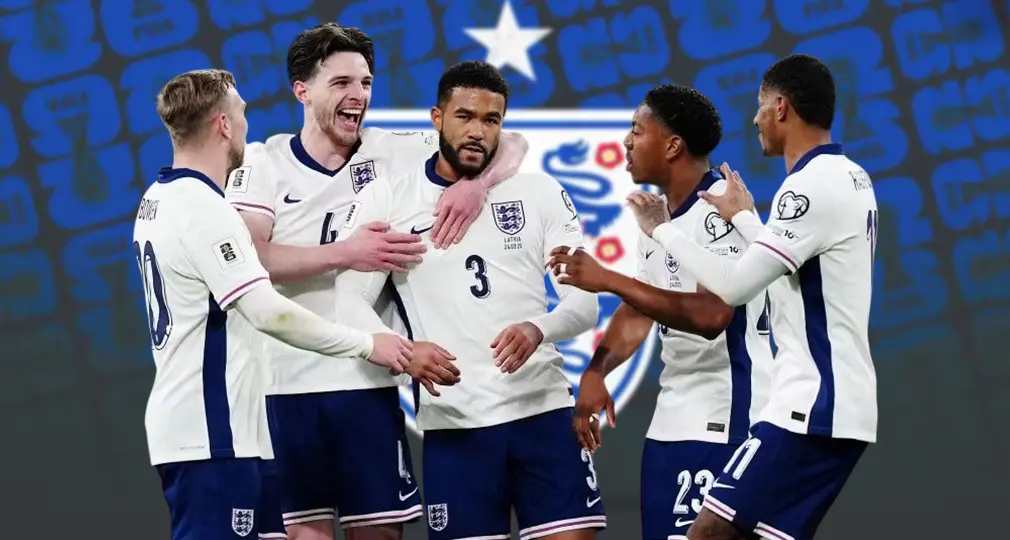
Right now, England look like one of those teams you can’t ignore, even if you’ve been burned by the hype before. The 4–2 win over Croatia in Group L gave the whole thing a proper jolt, because beating a street-smart side like Croatia is never casual business. Harry Kane scoring twice, Jude Bellingham turning up, and the attack looking sharp — yeah, that is cool. Still, two goals conceded in the opener also screamed one thing: this team can hurt anyone, but it can still hurt itself too.
England in Brief: Why the Hype Is Real This Time
Well, actually, the hype isn’t just pub noise this time. England came into the tournament as a top-four ranked side, with elite depth, a serious manager in Thomas Tuchel, and a squad stacked across attack, midfield and full-back zones. Bookmakers have them near the front of the outright market, often around 7/1 or +700, which usually means “contender, not fairy tale.” Between us, that number feels about right: strong enough to win it, flawed enough to keep the blood pressure spicy.
Current Odds and Model Estimates
Market prices tell the story without getting emotional, which is annoying but useful. England have been priced among the top five contenders, usually behind or near Spain, France, Portugal, Brazil and Argentina depending on the book. Some tournament models put their winning chance around 10.9%, which sounds small until you remember a 48-team World Cup is a meat grinder. That is roughly one title in nine simulations, and honestly, for England, that is pretty healthy.
| Source / Angle | England Signal | What It Means |
|---|---|---|
| Betting market | Around 7/1 or +700 | Clear contender, not runaway favourite |
| Model estimate | About 10.9% | Roughly 1 win in 9 tournament runs |
| FIFA ranking | Top-four range | Elite baseline strength |
| Opening match | England 4–2 Croatia | Attack looks hot, defence still leaks |
Group L: The Path Starts With Croatia, Ghana and Panama
Group L is not a death trap, but it is not a lazy Sunday either. England already took three points from Croatia, and that matters because Croatia are the type of team that ruin moods with one diagonal pass and a veteran midfielder who refuses to age. Ghana bring speed, chaos and transition danger, while Panama are the game England must control without turning it into a sleepy mess. Anyway, six or seven points should be enough to move safely, but topping the group is the real prize.
The Croatia Win Changed the Mood
That 4–2 over Croatia was loud, messy and useful. Kane hitting two goals gave England the centre-forward certainty every tournament side craves. Bellingham adding bite from midfield made the attack feel less one-note, and that is huge. Still, conceding twice showed the back line has those “please not today” moments. It was exciting, sure, but clean? Not even close.
What England Need From Ghana and Panama
Against Ghana, England need control first and ego second. Ghana can punish lazy turnovers, so Rice, Bellingham and whoever sits next to them can’t treat midfield like a lounge area. Against Panama, the job is different: move the ball fast, score early, kill the crowd noise, save legs. For example, a 2–0 professional win would be more useful than a wild 4–3 circus, even if the circus gets more clips.
Squad Strength: England’s Big Weapon
Squad depth is where England start looking nasty. Kane, Bellingham, Saka, Foden, Rice, Rashford, Gordon, Madueke, Stones, James — there are options everywhere, and some very good players may sit. That is madness in a tournament, because fresh legs after 70 minutes decide knockout games. England can change shape, tempo and wing profile without looking like they borrowed a plan from a napkin. Honestly, this works.
Harry Kane: Still the Main Dealer
Kane remains the coldest piece in England’s attack. He can score, drop deep, drag centre-backs out and turn average service into dangerous service. His two goals against Croatia were not just numbers; they told defenders the old problem is still alive. If he stays fit, England’s ceiling rises fast. If he gets isolated, though, the whole machine starts making that bad gearbox sound.
Jude Bellingham: The Tournament Switch
Bellingham gives England something previous squads often lacked: star power with teeth. He can arrive late, win fouls, carry the ball, start arguments with the game itself and somehow come out looking in control. That is awesome when knockout matches get ugly. He doesn’t need to dominate every minute, but he needs two or three game-breaking actions. Between us, that is exactly his kind of chaos.
Tactical Picture Under Thomas Tuchel
Tuchel gives England a sharper tournament brain, and that matters more than people admit. His teams usually understand pressing triggers, rest defence and how to survive uncomfortable phases. England’s opener still had defensive nonsense, so nobody should pretend the system is already polished gold. Though, let’s see, the attack looked flexible, and the halftime reaction against Croatia was promising. This is not perfect football, but it has bite.
Pressing and Control
Pressing can turn England from good to horrible to play against. When the front line jumps together, opponents get rushed into long balls, and England’s midfield can start attacks high. When the press breaks, though, the centre-backs suddenly have a lot of grass to defend. That is the gamble. It is cool when it works; it is terrifying when one midfielder arrives late.
Set Pieces and Dead-Ball Damage
Set pieces remain a proper weapon for England. Kane, Stones, Rice and the centre-backs give them size, while delivery quality has improved over the years. In tight knockout games, one corner can be the difference between “genius plan” and “airport tomorrow.” England don’t need to be Brazil from open play every night. Sometimes a dirty header in minute 78 is the whole meal.
Weak Spots: Where England Can Still Break
Defence is the bit that keeps the room quiet for a second. England conceded twice to Croatia, and both goals left enough tape for rival analysts to enjoy their coffee. Full-back spacing, recovery runs and goalkeeper decisions all need to stay clean. In any case, the attack can cover one mistake, maybe two, but not every night. Against France, Spain or Argentina, those little cracks become open windows.
Defensive Transitions
Transition defence is the danger zone. When England lose the ball with both full-backs high, the first five seconds are everything. Rice can’t put out every fire alone, no matter how expensive and useful he is. One sloppy pass in midfield can turn into a sprint race England didn’t want. Checked in the Croatia match: the warning lights were blinking, not flashing red, but blinking.
Penalty Pressure
Penalties are always in the room with England, even when nobody invites them. The modern squad is mentally stronger than the old meme version, but history still sits on the sofa. Kane helps, the younger attackers help, and Tuchel’s calm should help. Still, a quarter-final shootout is never just technique. It is legs, noise, ghosts, and one goalkeeper guessing right.
England Compared With the Other Favourites
Spain and France probably have the cleanest favourite profiles. Spain bring control, press resistance and that annoying habit of making opponents chase shadows. France bring power, pace and knockout experience, which is basically tournament poison. Argentina still have champion habits, Portugal have huge depth, Brazil have raw match-winning talent. England sit in that same dangerous club, but they need fewer defensive bloopers than in the opener.
| Team | Main Strength | Main Doubt | England Angle |
|---|---|---|---|
| Spain | Control and pressing | Can be slowed physically | England need power plus patience |
| France | Pace and elite forwards | Midfield balance can wobble | Transitions must be perfect |
| Argentina | Tournament know-how | Age and tempo management | England must avoid emotional football |
| Brazil | One-v-one chaos | Defensive structure | England can hurt them on set pieces |

Key Numbers That Matter
Numbers don’t win trophies by themselves, but they stop people from talking pure nonsense. England’s top-four ranking, roughly 10.9% model title chance and market price around 7/1 all point in the same direction. The Croatia result adds heat: four goals scored, three points banked, but two conceded. So the profile is simple enough: elite contender, not safe favourite. That is a fun place to be, and also a stressful one.
- FIFA ranking signal: top-four strength level.
- Model title chance: around 10.9% before the group picture fully settles.
- Market price: often near 7/1 or +700.
- Opening result: 4–2 win against Croatia.
- Big tactical issue: defensive transition after turnovers.
- Big weapon: Kane plus Bellingham plus wide depth.
Best-Case Route for England
Best case, England top Group L, avoid chaos in the round of 32 and build rhythm without burning the squad. Kane stays sharp, Bellingham keeps arriving in killer zones, and the wide players rotate without dropping quality. The defence settles after the Croatia warning, and Tuchel gets the spacing cleaner. In that version, England can absolutely reach the final. Not “maybe if Mars aligns” reach it — real reach it.
Worst-Case Route for England
Worst case, the defence keeps leaking and the group gets weird. A draw against Ghana, a nervy Panama game, and suddenly the bracket gets nasty. If England finish second, the path can get ugly fast, with elite opponents arriving earlier than planned. That is where the tournament stops being a spreadsheet and starts being a pub argument with studs. Honestly, England have enough quality to escape, but enough old habits to make it sweaty.
What Must Go Right
Several things need to land for England to lift the trophy. Kane must stay fit, because his role is too specific to replace cleanly. Bellingham needs freedom without turning the midfield into an open field. The full-backs must attack without leaving the centre-backs naked. And the bench has to win matches, because seven games in summer heat is brutal, no romance there.
- Kane stays healthy and keeps scoring.
- Bellingham controls big moments without forcing every play.
- Rice protects transitions before they become panic scenes.
- Tuchel rotates wide players without killing rhythm.
- Set pieces produce at least one knockout goal.
- England avoid penalties until absolutely necessary, please and thanks.
What Can Ruin the Run
Several problems could still kick the door in. One injury to Kane or Rice changes the whole balance. A red card, a bad VAR moment, or a goalkeeper wobble can turn a 60% match into chaos. Besides, between us, England’s relationship with pressure is better than it was, but not fully cured. The team has grown, sure, yet tournaments love finding the soft rib.
Betting View: Are England Worth Backing?
From a betting angle, England are not a cute underdog punt. They are a premium contender with a premium price, which means the value depends on timing. If you grabbed them before the Croatia win, nice, that is smart. After a hot opener, the market may tighten, and the price can lose juice. Anyway, backing England makes sense only if you believe Tuchel fixes the defensive leaks before the heavyweight rounds.
Fan Reality Check
Emotionally, England fans are allowed to dream, but maybe keep one hand on the table. The squad is good enough, the attack is good enough, the manager is good enough. The defence still needs to prove it can survive elite pace and ugly knockout pressure. That is the whole thing, really. This team can win the 2026 World Cup, but it has to stop gifting opponents free oxygen.
Final read from the betting chair: England’s real chance sits somewhere in that 10% to 13% zone for me, depending on injuries and bracket luck. That means they are absolutely live, not just media noise. The attack is top-tier, the midfield has bite, and the bench is nasty. The defence is the tax, and every champion pays some kind of tax. If Tuchel cleans the spacing and Kane stays sharp, England can win it — not comfortably, not beautifully every night, but properly.
Read more: How to Bet on the FIFA World Cup 2026